
MamaYe acknowledges the important role the media can play in engaging wide spread conversations around women’s access to safe clinics, more use of safe health clinics and more funding required ensuring that clinics are indeed safe. Learn here how MamaYe is engaging the media in Sierra Leone!
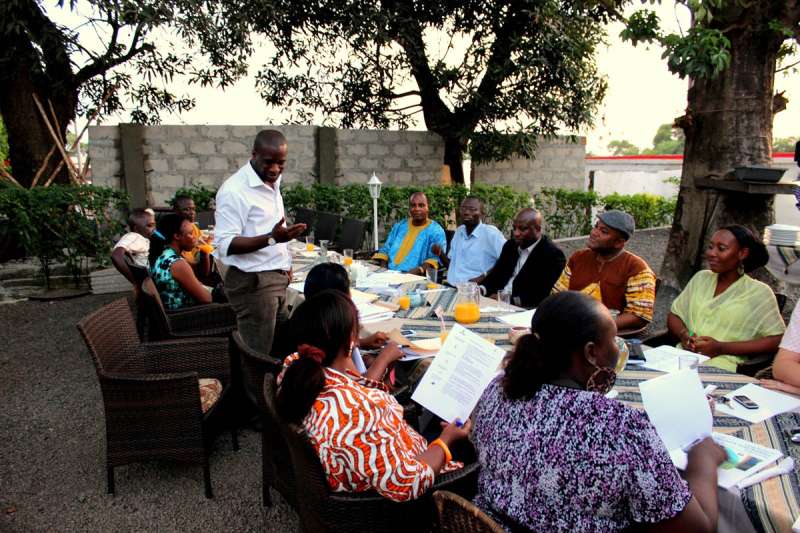
The media matters. The media is a powerful force in information dissemination across the country - according to BBC Population Media’s 2007 report, 80 percent of all Sierra Leoneans own and listen to the radio. MamaYe is a campaign keen on collaborative effort to save more lives of mothers and babies in Sierra Leone. The media in Sierra Leone can contribute to highlighting underlying maternal and newborn health issues, serve as a reminder to various stakeholders of their commitments and shed light on the stories of ordinary citizens, in effect humanising maternal and newborn health issues in Sierra Leone. In February of this year, MamaYe held a three day media training workshop on reporting on maternal and newborn health for 40 journalists across the country. The three day workshop focused on better understanding of maternal and newborn health terminology and data, creative writing, and the role of media as powerful advocates on social issues. The workshop saw the emergence of journalists who were passionate about maternal and newborn health issues in Sierra Leone, often times sharing their own stories and experiences.MamaYe wanted to acknowledge the important role the media can play in engaging wide spread conversations around women’s access to safe clinics, more use of safe health clinics and more funding required ensuring that clinics are indeed safe. To this aim, a few days prior to its public launch, MamaYe invited its national editors to a dinner where discussions around the important role of the media in social development campaigns were heard. Asmaa James, Program Manager at Radio Democracy shared her child birth experience, relegating her safe pre-mature delivery to good clinical care that she accessed outside of Sierra Leone. Mrs. James recounts stories of many of her friends who too had pre-mature deliveries; however they were not as fortunate as she was since they could not access quality health care. Mrs. James is passionate about care for premature babies because she feels they are most neglected in issues around maternal and newborn health. James Willie, editor at Awoko newspaper, also shared his story of nearly losing his wife during delivery. He shares that he has little faith in the health care system but remains committed to shedding light on how to better our health care for women and babies.Our journalists and editors at leading media houses identify with maternal and newborn health issues, most of them have an experience that has directly affected them or someone close to them, and they are excited about the possibilities of MamaYe. Mr. Renner from AIT during dinner says “we cannot give up. We have to be persistent, and persistently find creative ways to talk and discuss about this issue, even when people think we are been repetitive or doors are shut at our doors for interviews. We cannot give up. Persistence is everything”. He reminds us that the media matter and that the media are key players in the collective action to ensure more mothers and babies survive in Sierra Leone.