
Young, assertive and inspiring Doris Mollel rose to stardom when she contested and won Miss Singida Pageant, a preliminary step towards running for Miss Tanzania. She then went on to become one of few beauty queens to use the stage to launch an initiative that would touch lives of many Tanzanians.She was born premature, with her twin brother, over 20 years ago. “If I did not receive prompt and proper care I would not have survived, or maybe I would have several avoidable deformities, many premature babies grow up with” says Doris, “this is why I dedicate my life to advocate for this cause so that more and more babies born too soon can be saved and grow up healthy.”As she grew up she took interest and educated herself on prematurity and had a dream of one day being able to make a difference for these special babies, and there are many in our country. Tanzania ranks twelfth in the world for the number of preterm births – every year 236,000 babies are born before 37 weeks of pregnancy are completed--this is one in every 9 babies born alive. Prematurity is the second largest cause of death for babies in the first month of life, with 9,400 newborn deaths due to preterm birth every year.Many of these deaths could be prevented, through both prevention of preterm birth, and care for the premature baby.
- Adolescent pregnancy, older age pregnancy, short time gaps between births, chronic and infectious diseases, and unhealthy pre-pregnancy weight increase the risk of preterm birth.
- Family planning strategies, including birth spacing and adolescent-friendly services, can reduce the risk of preterm birth.
- Encourage early initiation and exclusive breastfeeding.
- Quality antenatal and postnatal care, along with skilled care at delivery, can help to reduce deaths due to preterm birth. Investing in trained and equipped health workers is key, with a focus on the 48 hours surrounding birth. (Read Mama Ye! Fact Sheet on Preterm births 2015 for more information).
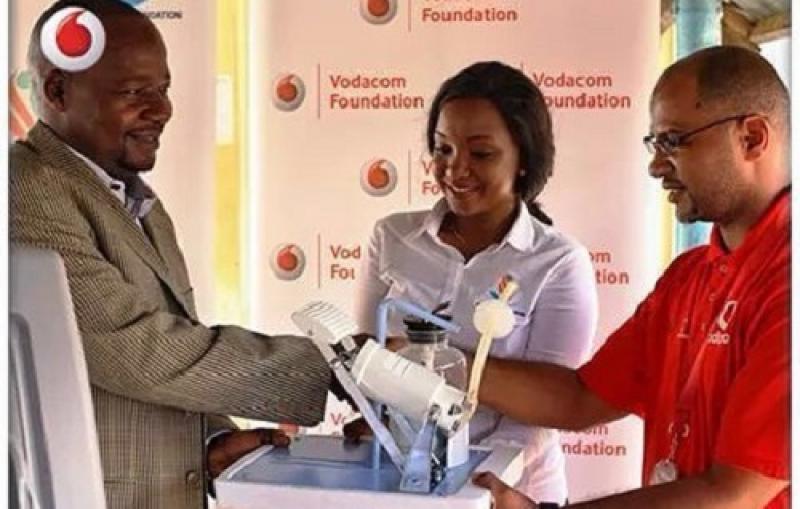
Way before the launch of the Doris Mollel Foundation, she had been donating equipment for keeping premature babies alive, an initiate that has remained a key component of her organisation, which directly supports the improvement of quality of care after birth.Among many future plans for Doris, is the regular staff trainings as well as annual events to mark World Prematurity Day, November 17. Her strength is in mobilizing groups in communities--corporates, NGOs, civil servants to politicians--to come together to support her cause.Today, January 25, 2016 DRF and supporters are in Tabora to donate special equipment for premature babies. Click links below for more information on DRF activities
- NGO receives equipment to support premature birth campaign
- Marking World Prematurity Day 2015
- Doris Mollel Foundation