
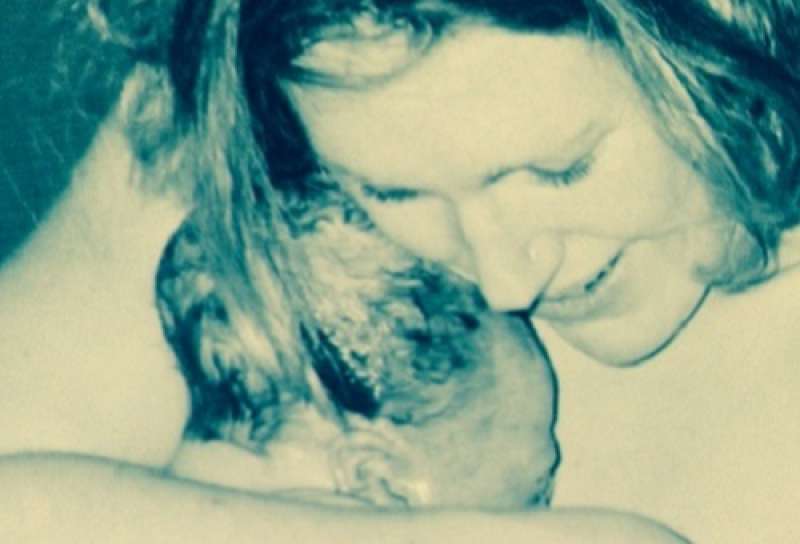
When I gave birth, the most important person in the room, after my husband, was my midwife, Mary. Her midwifery skills gave me and my family the best start in life.
When I gave birth, the most important person in the room, after my husband, was my midwife, Mary.Her midwifery skills meant that my son and I had the best chance of being safe and healthy during and immediately after labour. She cared for me during my pregnancy, too, and in the days and weeks following birth. This gave me and my family the best start in life.Globally, more babies are being born than ever before in the history of the world. We are going to need a lot more people with midwifery skills.Mind the gapThe reality is - despite being at the heart of any solution to the tragedy of preventable maternal and newborn death - we actually know very little about these people.How many are there? Where are they? Where do they need to be? How many are due to retire soon? How many are being trained? What skills do they have? So many important questions, and so little data.Amazingly – while we know what skills they need to have to be able to provide life-saving basic and comprehensive care for pregnant women and newborns, we don’t actually know how many people have these skills.In some countries, midwives are allowed to do some interventions, which in other countries the same group of professionals are not allowed to do.We need to know this information so that governments can plan. We also need this information because women and their families have a right to know.If we agree that every woman has a right to a safe birth then they should be able to find out if there are enough skilled people about to help ensure they can have one. And if there are not they can ask their elected representatives and Parliamentarians why not.A right to a safe birthIf we agree that every woman has a right to a safe birth then they should be able to find out if there are enough skilled people about to help ensure they can have one. And if there are not, they can ask their elected representatives and Parliamentarians why not.This gap is soon to be filled. As I write, countries are collecting and sharing new data with technical experts at Integrare, who are busy crunching these numbers on behalf of the International Confederation of Midwives, UNFPA and the WHO. This will form the basis of an update to the 2011 State of the World’s Midwifery, which will be published in June 2014. Analyst Laura Sochas explains more about the process in her blog.An advocacy toolkit will be made available, so join us in June to ensure that the wealth of data becomes action in your country.